Academic Program
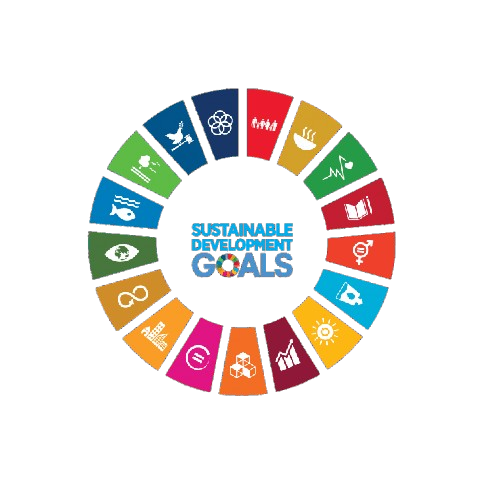
This conference contributes to global sustainability by aligning its research discussions and academic sessions with key United Nations Sustainable Development Goals. It fosters knowledge exchange, innovation, and collaborative engagement.
SDG 2 — Zero Hunger
SDG 3 — Good Health and Well-being
SDG 4 — Quality Education
SDG 9 — Industry, Innovation and Infrastructure
SDG 12 — Responsible Consumption and Production
SDG 13 — Climate Action
SDG 14 — Life Below Water
SDG 15 — Life on Land
This track focuses on the latest advancements in marine engineering technologies and methodologies. Participants will explore innovative designs, materials, and systems that enhance marine operations and sustainability.
This session will delve into cutting-edge technologies that promote sustainable aquaculture practices. Discussions will include advancements in breeding, feeding, and health management of aquatic species.
This track emphasizes the application of genetic tools in the conservation of marine biodiversity. Researchers will present studies on genetic diversity assessment and the implications for species conservation strategies.
This session will explore the role of animal genetics in enhancing the productivity and resilience of aquatic species. Topics will include genetic mapping, selective breeding, and genomics in aquaculture.
This track addresses the effects of climate change on marine ecosystems and biodiversity. Participants will discuss research findings and strategies for mitigating the impacts of climate change on marine life.
This session will showcase the latest applications of marine biotechnology in various fields, including pharmaceuticals and environmental management. Researchers will highlight innovative bioprocesses and their potential benefits.
This track focuses on the integration of ecological and genomic approaches to understand marine ecosystems. Presentations will cover studies on gene-environment interactions and their implications for biodiversity.
This session will explore sustainable management practices for marine resources, emphasizing the balance between utilization and conservation. Experts will present case studies and frameworks for effective resource management.
This track highlights the technological innovations in monitoring marine environments and biodiversity. Discussions will include remote sensing, autonomous vehicles, and data analytics for marine research.
This session will focus on integrative approaches that combine genetic, ecological, and technological strategies for marine conservation. Participants will discuss collaborative frameworks and interdisciplinary research efforts.
This track will explore emerging trends and future directions in marine genetics research. Researchers will share insights on novel methodologies and their potential impact on understanding marine biodiversity.