Academic Program
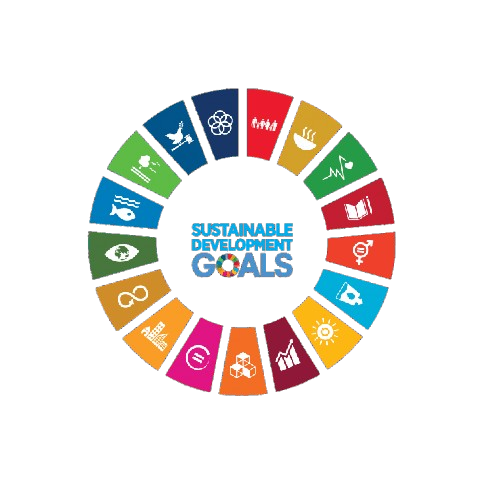
This conference contributes to global sustainability by aligning its research discussions and academic sessions with key United Nations Sustainable Development Goals. It fosters knowledge exchange, innovation, and collaborative engagement.
SDG 2 — Zero Hunger
SDG 3 — Good Health and Well-being
SDG 6 — Clean Water and Sanitation
SDG 11 — Sustainable Cities and Communities
SDG 12 — Responsible Consumption and Production
SDG 13 — Climate Action
SDG 15 — Life on Land
SDG 16 — Peace, Justice and Strong Institutions
This track will explore innovative approaches and technologies in food safety protocols. Emphasis will be placed on risk assessment, hazard analysis, and the implementation of preventive measures.
This session will focus on the identification and characterization of microbiological contaminants in various food matrices. Discussions will include detection methods, sources of contamination, and implications for public health.
This track will delve into the chemical composition of food, including the analysis of nutrients, additives, and contaminants. Participants will discuss advanced analytical techniques and their applications in food chemistry.
This session will address the emergence of new foodborne pathogens and the growing issue of antimicrobial resistance. Researchers will present findings on the mechanisms of resistance and strategies for mitigation.
This track will highlight novel food preservation methods that enhance shelf life while maintaining safety and quality. Topics will include natural preservatives, modified atmosphere packaging, and novel thermal treatments.
This session will explore the relationship between food chemistry and sensory attributes. Presentations will focus on how chemical composition influences flavor, aroma, and overall consumer acceptance.
This track will examine the role of microbial fermentation in food production processes. Discussions will include the benefits of fermentation for food safety, flavor development, and nutritional enhancement.
This session will provide insights into the regulatory landscape governing food safety practices worldwide. Experts will discuss compliance challenges and the impact of regulations on food industry practices.
This track will investigate the presence of chemical hazards throughout food supply chains. Presentations will cover risk management strategies and the role of analytical chemistry in hazard detection.
This session will focus on the microbial communities present in various food systems and their impact on food safety and quality. Researchers will discuss the dynamics of microbial interactions and their implications for food production.
This track will explore sustainable practices within food chemistry and microbiology aimed at reducing environmental impact. Topics will include green chemistry, waste reduction, and sustainable sourcing of ingredients.